
illuminated led mirror
Understanding the 2-Inch Check Valve Importance, Functionality, and Applications The 2-inch check valve is a critical component in many fluid systems, serving as a simple yet effective solution to prevent backflow. This essential mechanical device is designed to allow fluid to flow in one direction only, ensuring that systems operate efficiently and safely. What is a Check Valve? At its core, a check valve is a type of flow control device that opens with the forward flow of fluid and closes when there is a reverse flow. The mechanics behind this operation rely on the valve's internal components, which typically include a disc or ball that moves within the valve body. When fluid pressure is applied from one side, the valve opens, allowing the fluid to pass through. Conversely, if the pressure decreases or reverses, the valve closes, effectively preventing backflow. Why Choose a 2-Inch Check Valve? The size of the valve, in this case, 2 inches, denotes the diameter of the pipe it connects to. This size is suitable for various applications, particularly in residential and light industrial contexts. It strikes a good balance between flow capacity and space efficiency, making it a popular choice for plumbing, sewage systems, and irrigation setups. Key Features and Benefits 1. Preventing Backflow The most significant advantage of a check valve is its ability to prevent backflow, which can cause contamination, equipment damage, and system inefficiencies. In applications where fluids need to remain uncontaminated—such as potable water systems—the 2-inch check valve becomes indispensable. 2. Maintenance-Free Operation Typically, check valves require minimal maintenance, as they are designed to be self-activating. This simplicity reduces operational costs and minimizes downtime, allowing systems to run smoothly without frequent checks. 3. Versatile Applications The 2-inch check valve can be used in various scenarios. From irrigation systems that require water to flow in one direction to HVAC systems and industrial processes that need to pump fluids efficiently, this valve's adaptability makes it a valuable asset across industries. 2 inch check valve 4. Durability Many 2-inch check valves are made from durable materials such as brass, stainless steel, or PVC, which can withstand corrosive fluids and high temperatures. The choice of material will often depend on the specific application and the fluid being handled. 5. Easy Installation The installation of a 2-inch check valve is generally straightforward. It can be fitted inline in existing piping systems, and with their common size, they are compatible with various fittings and fixtures. Applications in Different Industries 1. Water Supply Systems In municipal water supply and sewage systems, 2-inch check valves help maintain pressure and prevent back-siphonage, ensuring clean water delivery to homes and businesses. 2. Agriculture In irrigation systems, these valves are essential for ensuring that water only flows to areas that need it, helping to conserve water and maximize agricultural efficiency. 3. Industrial Processes Many industrial operations utilize check valves to regulate the flow of liquids in manufacturing processes, often dealing with hazardous materials where preventing backflow is critical for safety. 4. HVAC Systems In heating and cooling systems, check valves ensure that refrigerants and water circulate correctly to optimize system performance. Conclusion The 2-inch check valve plays a vital role in numerous applications, vital for ensuring system efficiency and safety. By understanding its function and benefits, industries can make informed decisions to enhance their fluid management systems. Whether in residential plumbing, agricultural irrigation, or complex industrial processes, a reliable check valve is essential for robust and sustainable operation.
about
illuminated led mirror
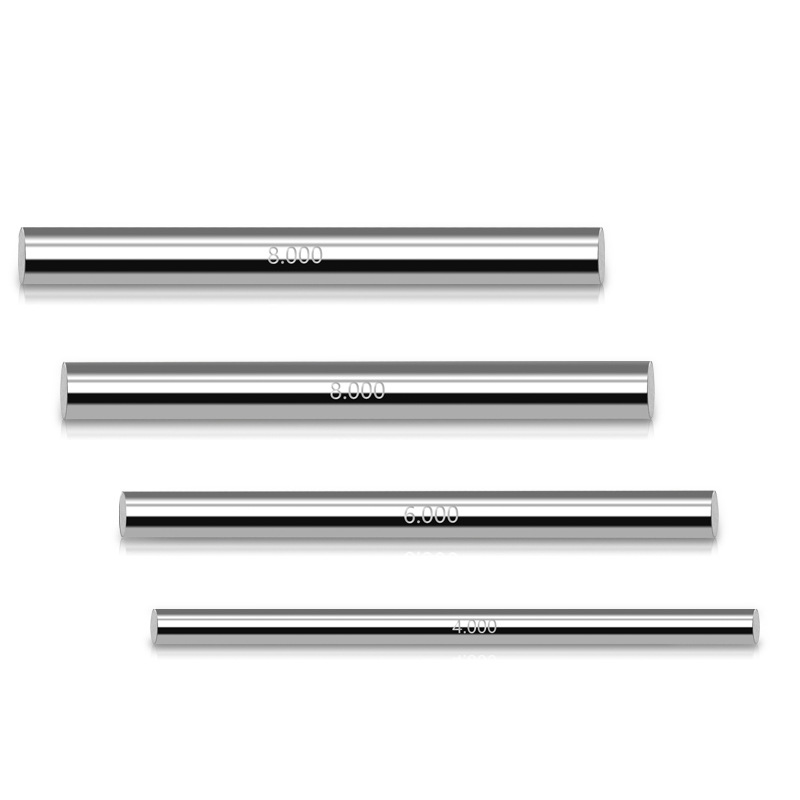
Understanding the Thread Plug Gauge and JIS Standard In the world of precision machining and quality control, ensuring that threaded components meet established specifications is vital for performance and reliability. One of the essential tools in this process is the thread plug gauge, which is commonly used to check the internal threads of a workpiece. In Japan, the Japanese Industrial Standards (JIS) provide guidelines for these gauges, ensuring consistency and quality across industries. What is a Thread Plug Gauge? A thread plug gauge is a cylindrical tool designed to measure the acceptance of internal threads in components such as nuts and tapped holes. It is typically made of high-strength steel and features a male threaded section that matches the dimensions of the threads being tested. The gauge comes in two main forms the go gauge and the no-go gauge. The go gauge is used to check whether the internal thread can accept a mating component, while the no-go gauge ensures that the thread does not exceed specified tolerances. The Importance of Thread Gauges Using thread plug gauges is crucial for ensuring the interchangeability of parts, which is a key factor in manufacturing. If the threads of a component are out of specification, it can lead to assembly issues, reduced functionality, and potential failures. Therefore, regular use of thread gauges helps maintain quality control and enhances the overall reliability of mechanical assemblies. JIS Standards and Their Relevance The Japanese Industrial Standards (JIS) emerged post-World War II as a way to standardize industrial practices in Japan, ensuring that products meet a consistent level of quality. The JIS standards for thread gauges cover various aspects, including dimensions, tolerances, and manufacturing processes. These standards are crucial for companies aiming to export goods to Japan or engage in international trade, as adherence to JIS can open up markets and increase consumer trust. A precise understanding of the JIS standards related to thread plug gauges helps manufacturers ensure that their products meet the stringent requirements of the Japanese market. For example, the sizes and tolerances specified in the JIS outline precise measurements for Unified threads, Metric threads, and more specialized forms of thread forms. This standardization facilitates clearer communication between manufacturers and suppliers, reducing errors and boosting efficiency. thread plug gauge jis standard Choosing the Right Thread Plug Gauge When selecting a thread plug gauge, it’s essential to consider several factors, including 1. Thread Type Different applications might require specific types of threads (e.g., metric or imperial). Ensuring the gauge matches the thread type is critical. 2. Material and Durability Given that gauges face continuous use, selecting high-quality materials is vital for maintaining performance over time. 3. Calibration It is essential to calibrate gauges regularly to adhere to testing accuracy. The process should follow JIS or other international standards to maintain reliability. 4. User Training Proper training for operators on how to use and interpret the results from thread plug gauges is necessary for achieving accurate quality control. 5. Quality Assurance Procedures Establishing clear standards for monitoring and evaluating gauge performance can significantly enhance overall product quality. Conclusion In conclusion, the thread plug gauge is an indispensable tool in the quality control process within manufacturing industries, especially for those dealing with threaded components. The adherence to JIS standards ensures that these gauges meet quality and performance expectations, thereby supporting manufacturers in producing reliable products. By understanding the specifications and the importance of these gauges, companies can improve their quality assurance processes, minimize production issues, and ultimately deliver superior products to the market. Embracing such standards not only enhances operational efficiency but also fosters customer satisfaction and trust in their products. In an increasingly globalized economy, aligning with recognized standards like JIS becomes more critical than ever for businesses striving to compete effectively.
-

High quality industrial productsagement

High quality industrial products
View Details -

Meet the diverse needs of customers

Meet the diverse needs of customers
View Details -

Strict quality control

Strict quality control
View Details -

Top raw materials

Top raw materials
View Details -

Trusted supplier

Trusted supplier
View Details
Our application


news and information
Válvula de retención 8an y su importancia en sistemas hidráulicos.
8an check valve .
Various Types of Water Valves and Their Applications Explained
Understanding the Types of Water Valves A Comprehensive Guide Water valves are essential components
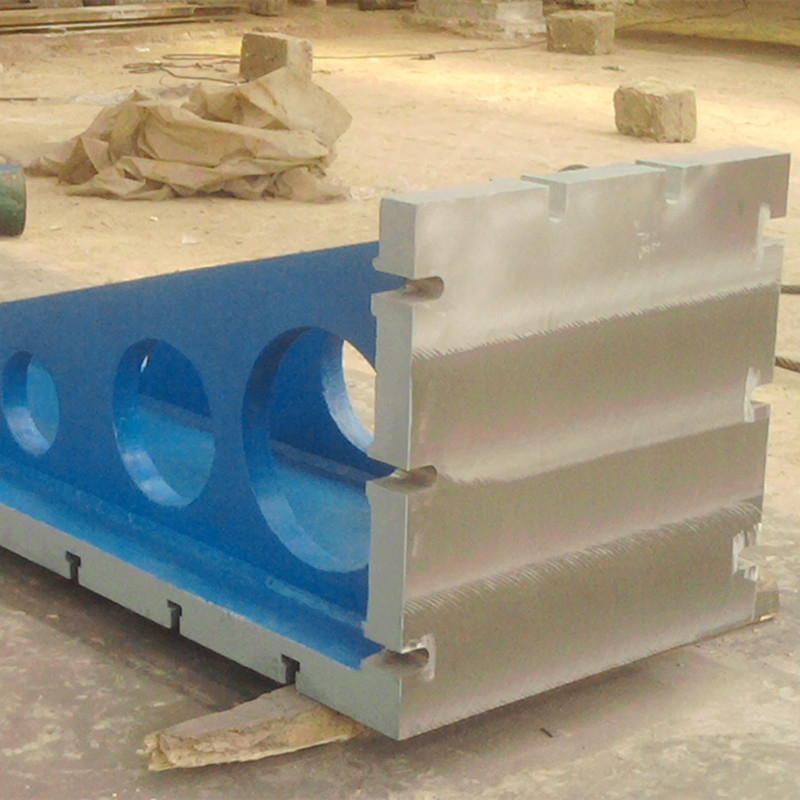
V-Block Technology Revolutionizing Manufacturing Precision and Efficiency
The Paradox of V Block V Block Navigating the Dual Realities of Virtual and Physical Worlds In the
 English